Technical brief
Molecule or sequence, supplied form, target purity/content, fill, quantity, destination and analytical packet.


Wholesale, OEM and private label
Independent buyers, laboratories and procurement teams can request wholesale volume pricing or coordinate peptide selection, vial fill, label copy, cartons, inserts and shipping requirements through a documented B2B workflow.
End-to-end workflow
Molecule or sequence, supplied form, target purity/content, fill, quantity, destination and analytical packet.
Method fit, component availability, MOQ, lead time, shipping mode and documentation are scoped together.
Label hierarchy, carton, insert, language versions, lot/expiry fields and RUO wording enter controlled review.
Pilot units or digital proofs are reviewed before production release. Changes remain versioned.
Filling, packing and released-lot documentation are aligned to the approved specification.
Packing list, temperature option and destination documents are confirmed before shipment.
Catalog molecule or custom sequence, fill selection, lyophilization, in-process and release-document requirements.
Brand-ready visual system, RUO-safe copy, multilingual artwork and print-production files.
Vials, caps, trays, cartons, inserts, tamper evidence and master-case configuration.
Ambient, insulated or cold-chain option priced against destination, season and stability risk.
Flexible OEM scope
Subject to technical feasibility and written agreement, projects can cover a catalog molecule or custom peptide sequence, target fill and supplied form, custom vial and closure selection, label design, carton and insert printing, multilingual artwork, and packing configuration. Share the intended market, quantity, documentation needs and timeline with sales so the scope, MOQ, testing, price and lead time can be confirmed.
Packaging and presentation
Vials, caps, labels, cartons and inserts are scoped against fill, destination, language and RUO labeling requirements.

The line view connects physical components, printed cartons and operator oversight. Each run should use the component list and artwork version approved for that project.
Before line release
A useful OEM brief does more than name a peptide. It connects the supplied form to its container, printed materials, destination and review checkpoints.
Component setVial, closure, carton, insert and any requested accessories.
Artwork versionRUO wording, language, lot fields, expiry fields and destination requirements.
Line clearanceApproved materials and project identifiers checked before the packing sequence begins.
Define what enters the line
Small physical choices affect labeling space, storage, handling and the buyer's final receiving check.

Confirm vial format, closure color and the presentation expected for the research project.
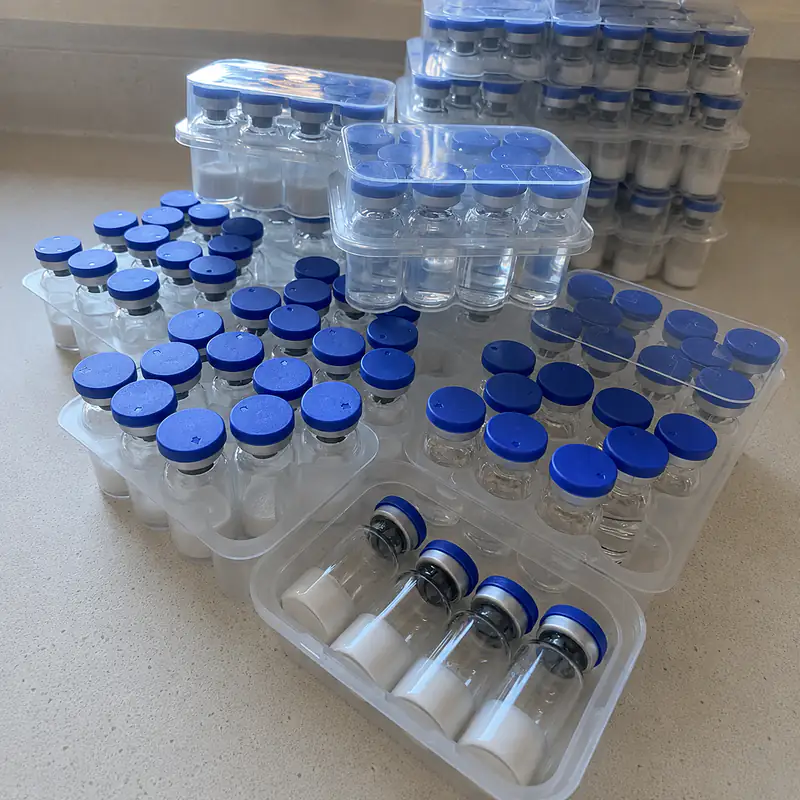
Review vials, caps, labels and supporting components as one approved set before packing.
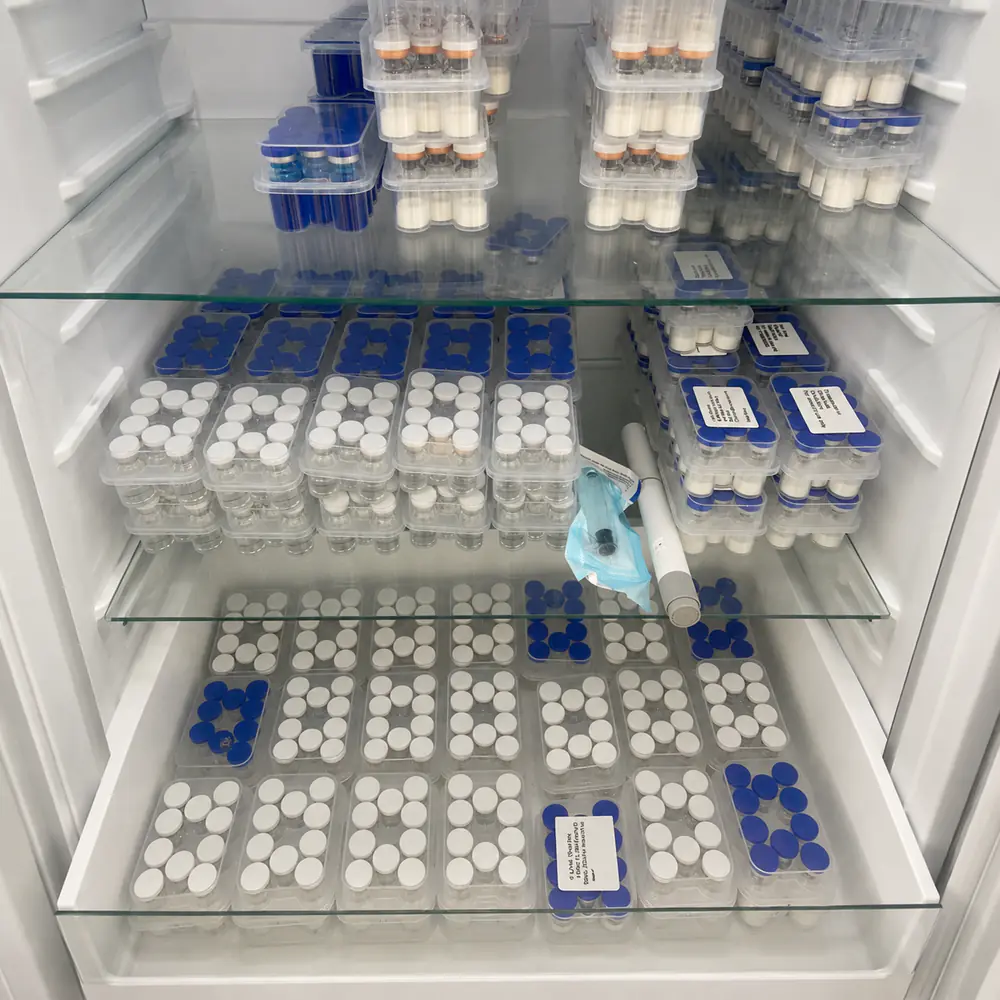
Define the storage, staging and handoff conditions appropriate to the supplied peptide form.
In-process and final inspection
Operators can compare the packed unit with the approved project version, then confirm count, carton condition, coding and the presentation supplied for release.
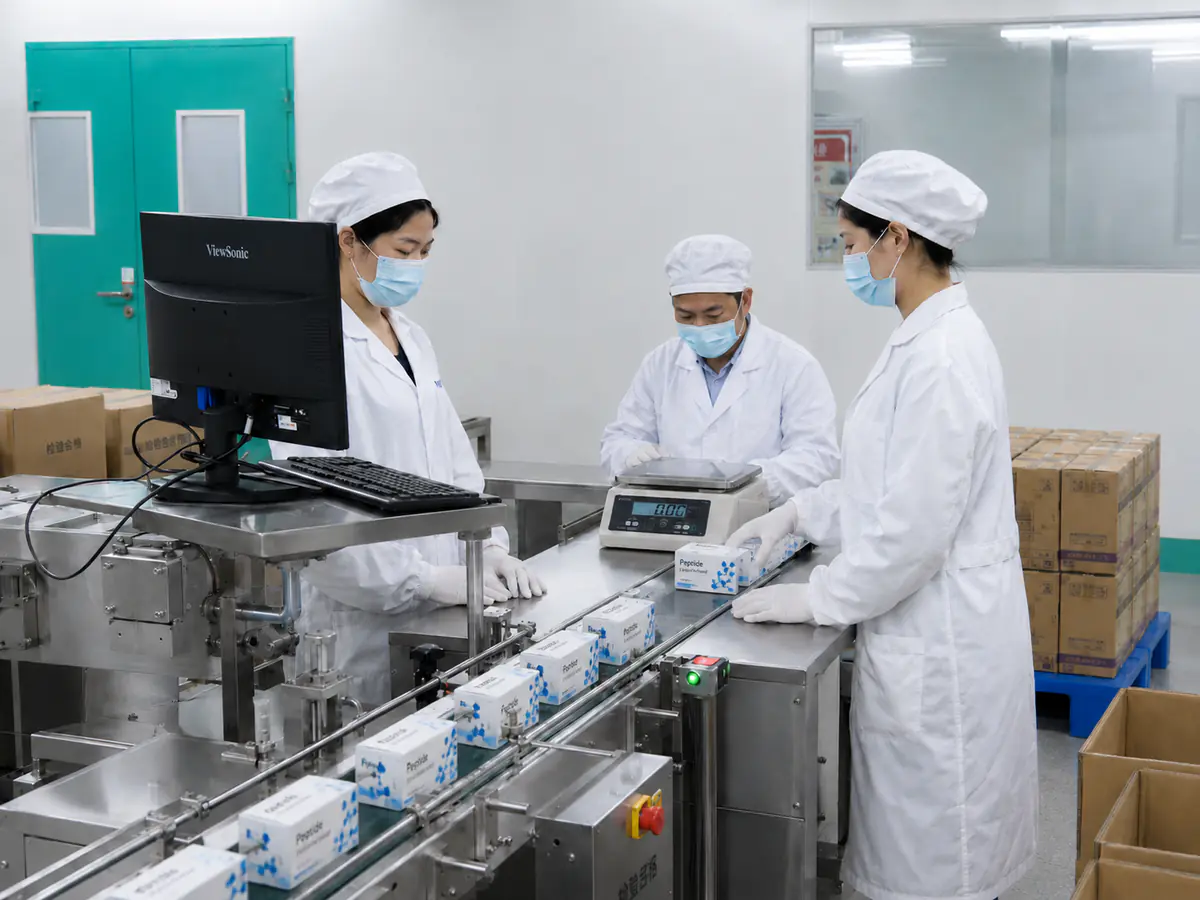
The inspection view shows how line output, physical handling and human review meet before the downstream handoff.
Project-set review
These reference images show the kinds of physical differences that should be resolved in the OEM brief and confirmed again before production release.
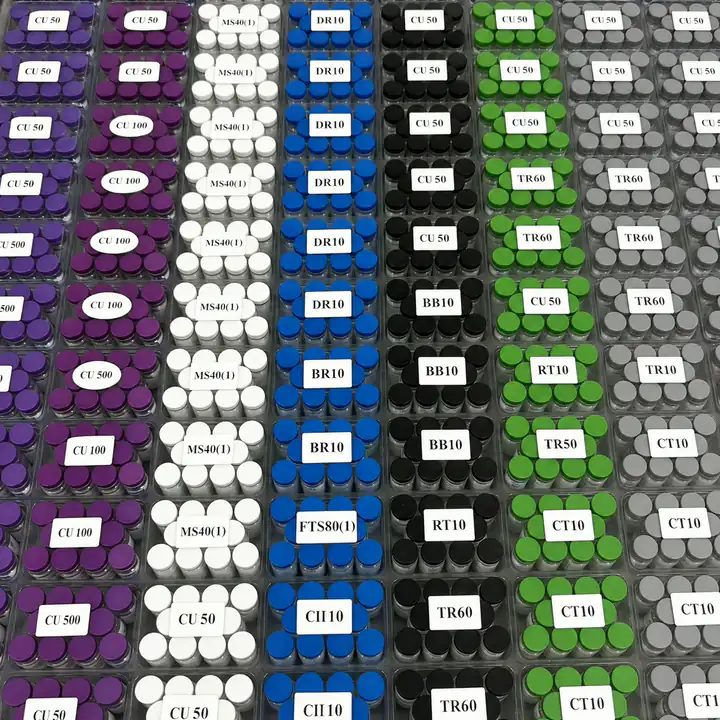
Tray and unit organization supports count checks and lot-aware handling.
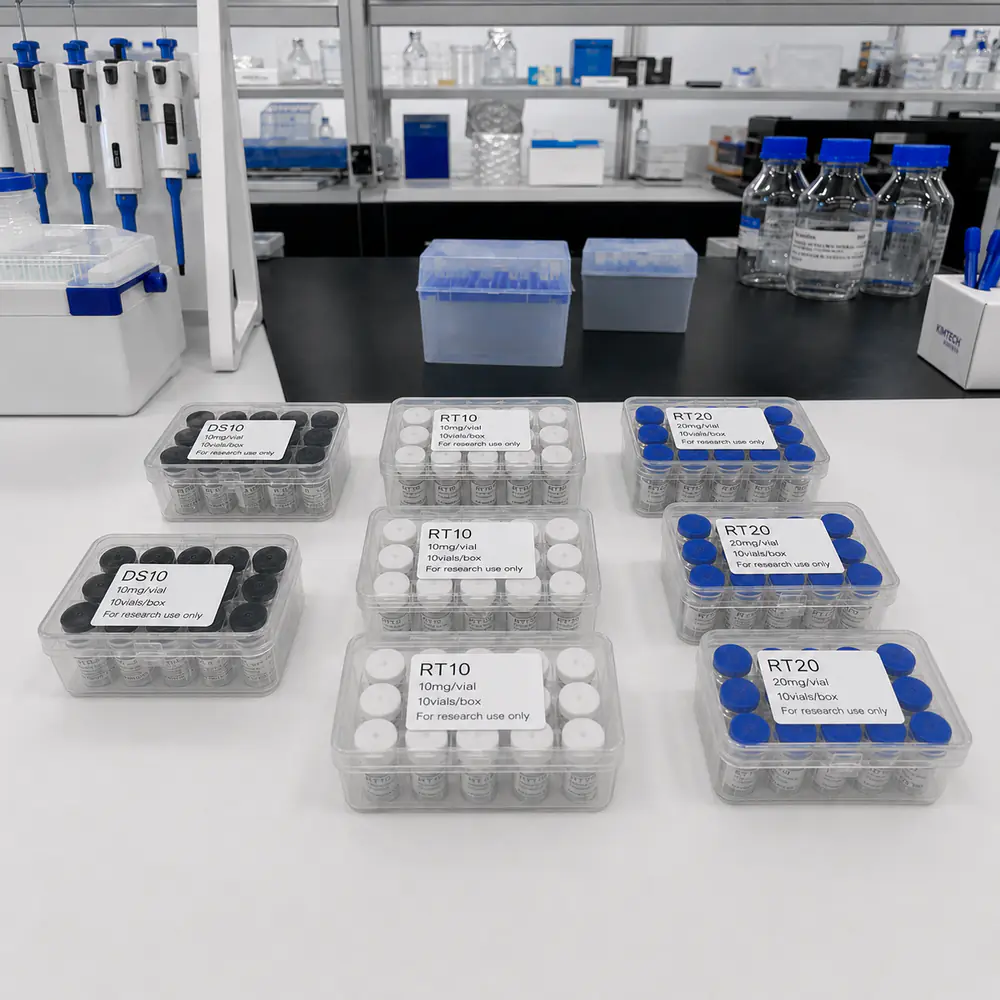
Bench review helps distinguish fill, closure and presentation choices across projects.
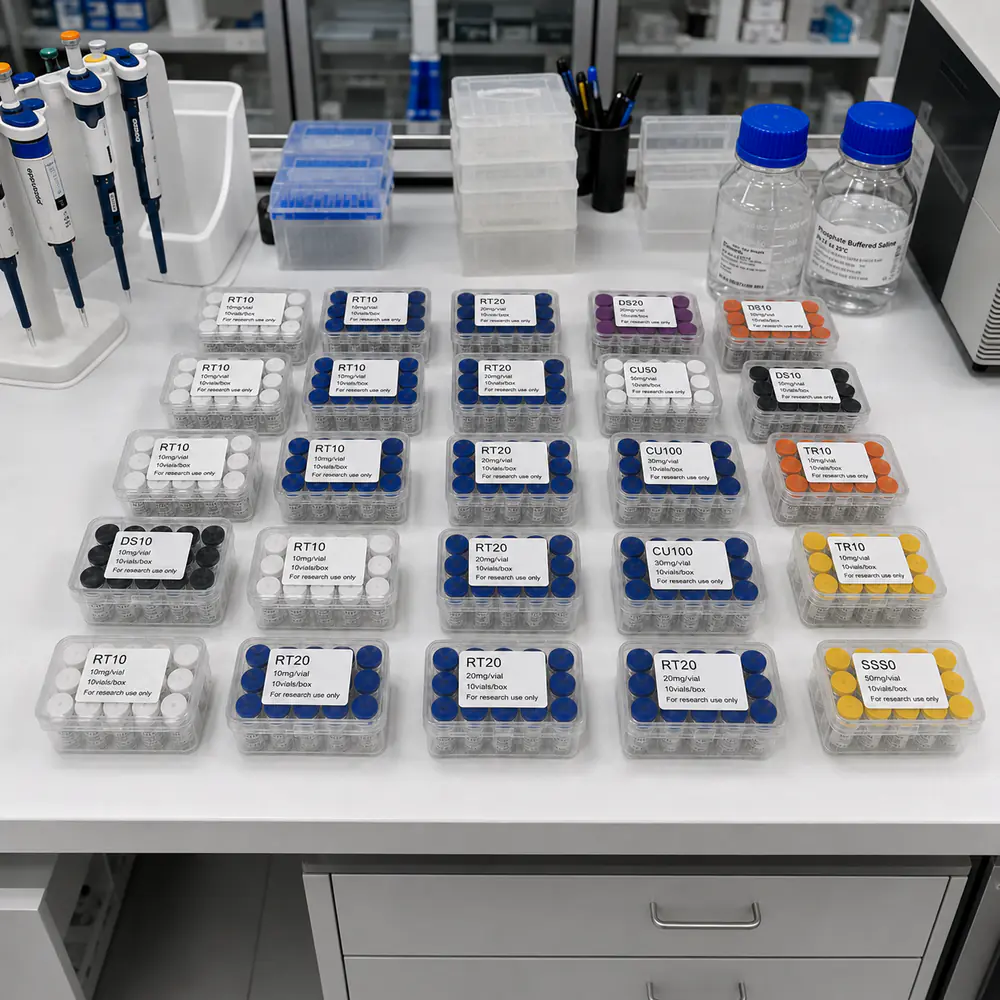
Mixed programs need a clear component list and artwork version for each presentation.
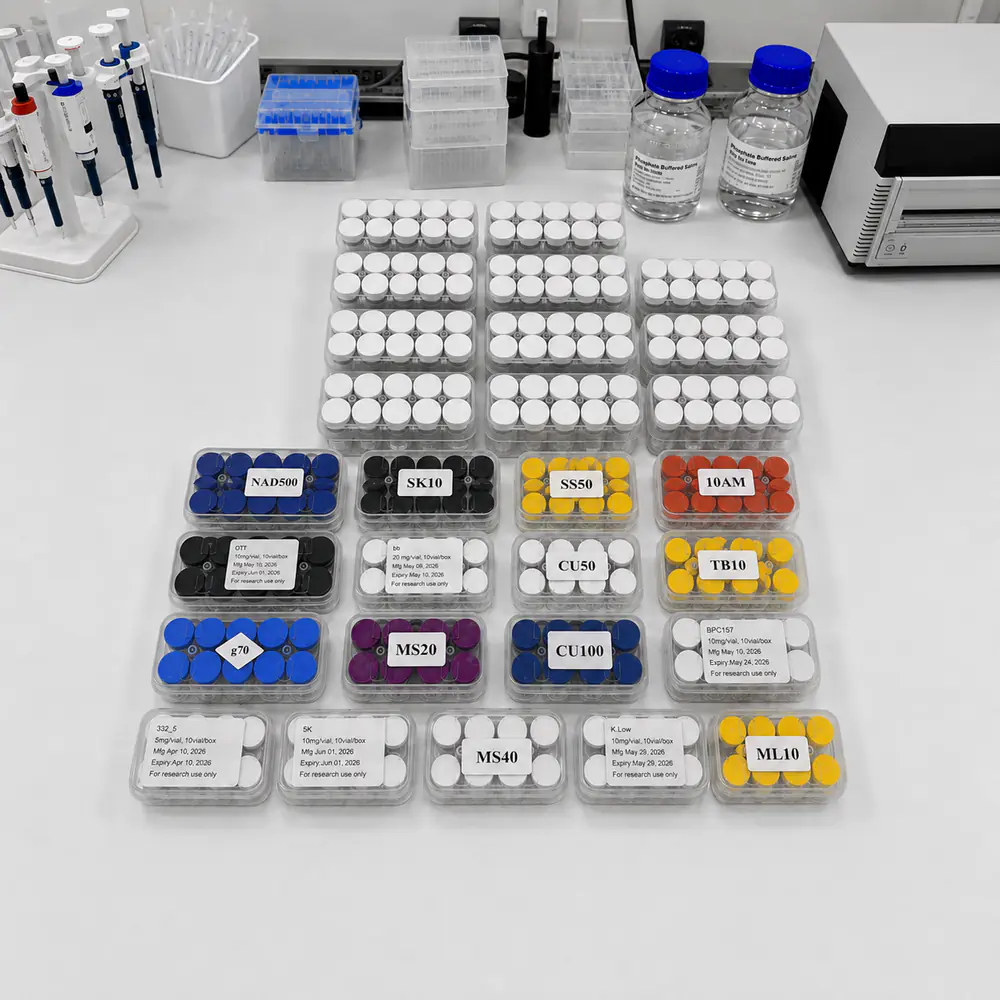
Confirm the label, vial, tray and supporting pack belong to the same approved version.
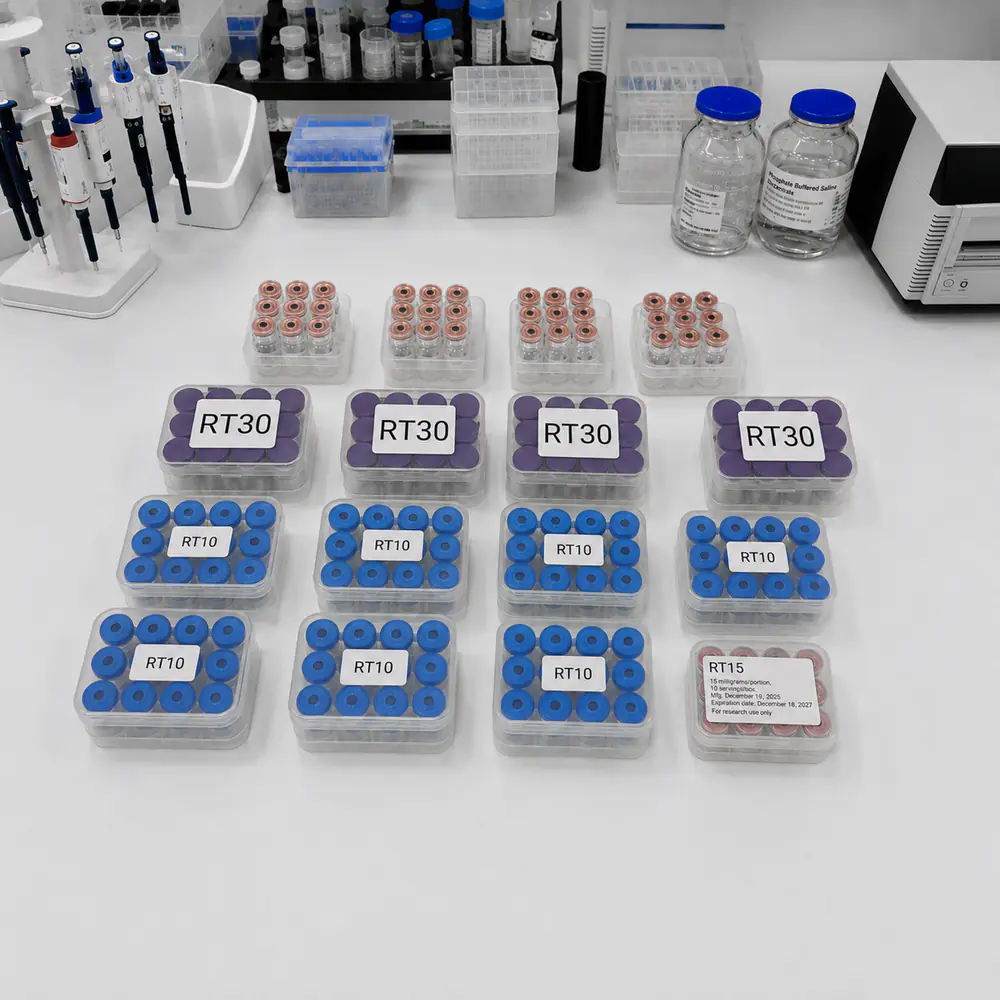
The final review connects physical presentation with fill, coding and buyer-approved artwork.
Production line · 01:04
The sequence adds context for component feeding, equipment interfaces and operator checkpoints. Your project brief should still define component checks, artwork version, line clearance, in-process inspection, batch coding and final pack review.